
Bulgaria’s UNESCO World Heritage City: Nesebar
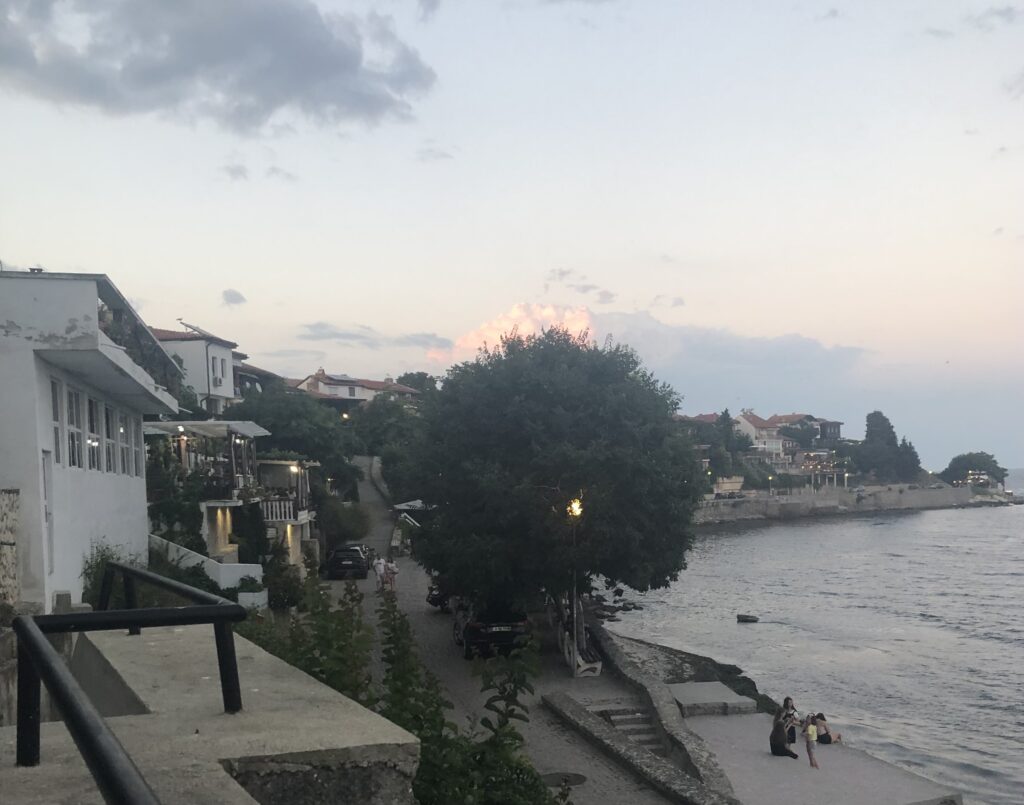
Nesebar is the only city in Bulgaria that has UNESCO World Heritage status and it is easy to see why! The well preserved medieval architecture, cobblestone streets and ancient ruins captivate visitors and transport them back in time.
History
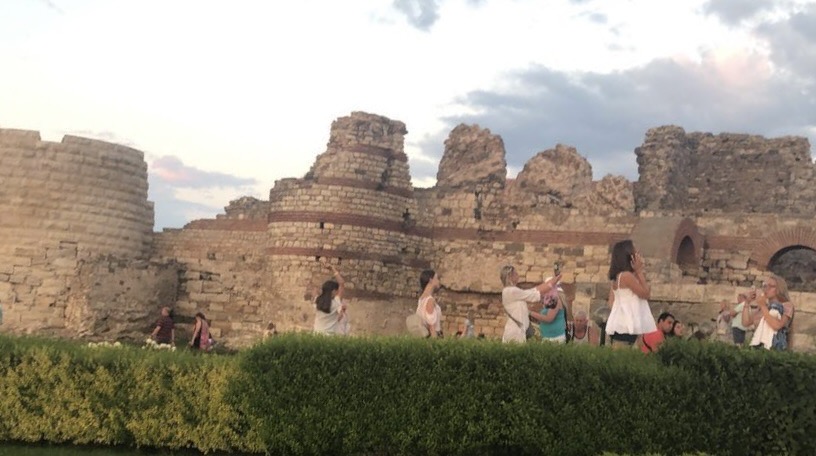
The ancient city of Nesebar was originally a Thracian settlement, Mesembria. The Greeks then arrived more than 3000 years ago, establishing it as Mesimvria. Mesimvria became a huge centre for trade under the Delian League of Athens due to its location in the Black Sea. The Greeks fortified the city with imposing walls, built an acropolis, an agora and the Temple of Apollo, all of which lay in ruins in the 21st century. After the Greeks left, it became a Roman and then a Byzantine city so it is no wonder why the city has such ancient charm! It is this history and remarkable sights that fascinate travellers from all over the world. In fact, more than 100,000 people visit Nesebar each year according to ticket sale statistics from the Museum of Nesebar.
Things to see in Nesebar
Some of the churches/sights in Nesebar have an entrance fee as they belong to the Archaeological Museum of Nesebar. As its been a while since we have been, we unfortunately cannot remember what buildings you have to pay an entrance fee for. All of this information regarding entrance fees you’ll find on the Ancient Nesebar Museum website.
Windmills
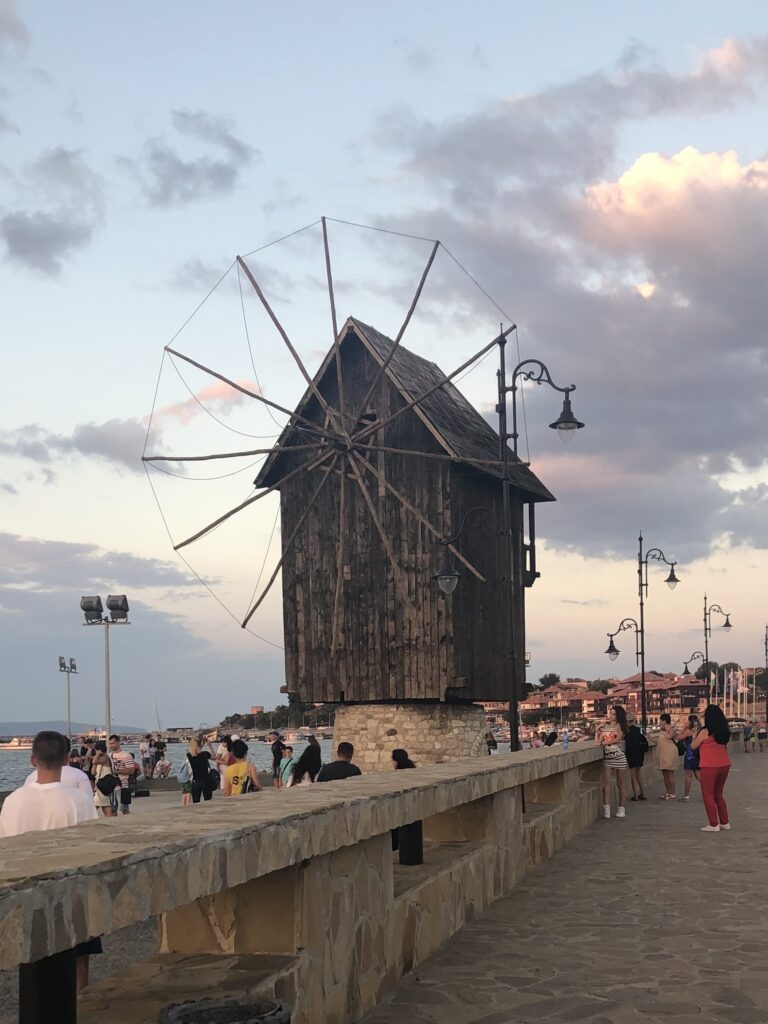
There used to be five windmills dotted around Nesebar, however, only three remain preserved. One at the beginning of the new part of town, one on Isthmus (the strip of land connecting the mainland to the peninsula) and another on the north coast.
These iconic structures were constructed in the 19th century. Although not much is known about the windmills, it is said that they were primarily used to grind grains, making local life easier. We recommend visiting the wooden windmills at sunset as they look even more picturesque and make for a fantastic photo opportunity.
Revival houses of old Nesebar
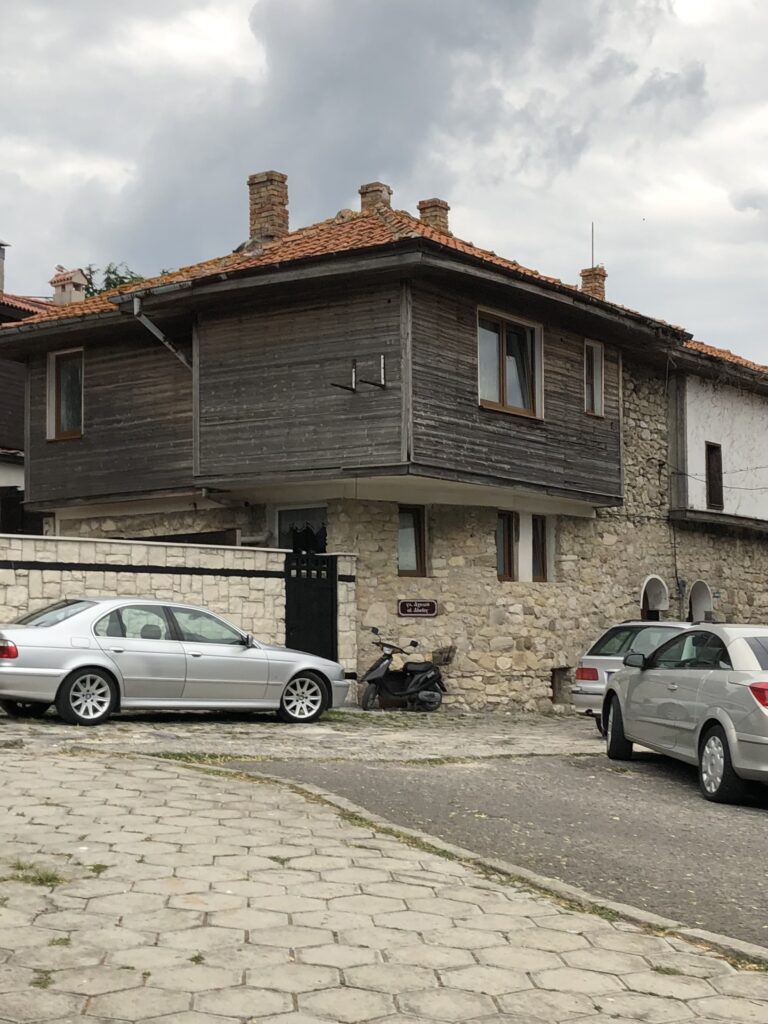
The economic boom of the 18th century in Nesebar brought with it remarkable looking houses. These traditional houses (revival houses) are made out of stone and mud on the bottom half. The top half of the houses are made from the same wood that were used to make the windmills.
As you wander down the long, narrow streets of Nesebar, it’s these houses that really give the streets a traditional, rustic charm. If you want to see these in all their glory, stroll down Ivan Alexander Street. It’s lined with them from top to bottom!
‘The City of 40 Churches’
Nesebar is home to 40 churches, located around the old and the new part of the city. The peninsula, ‘old town’, is only approximately 850m long and 350m wide but is home to 9 of them. Today, only 11 of them are preserved, with another 15 of them being discovered and conserved as ruins. Now, it would be quite boring to write about all of them, but there were two which stood out to us.
St Stephen’s Church
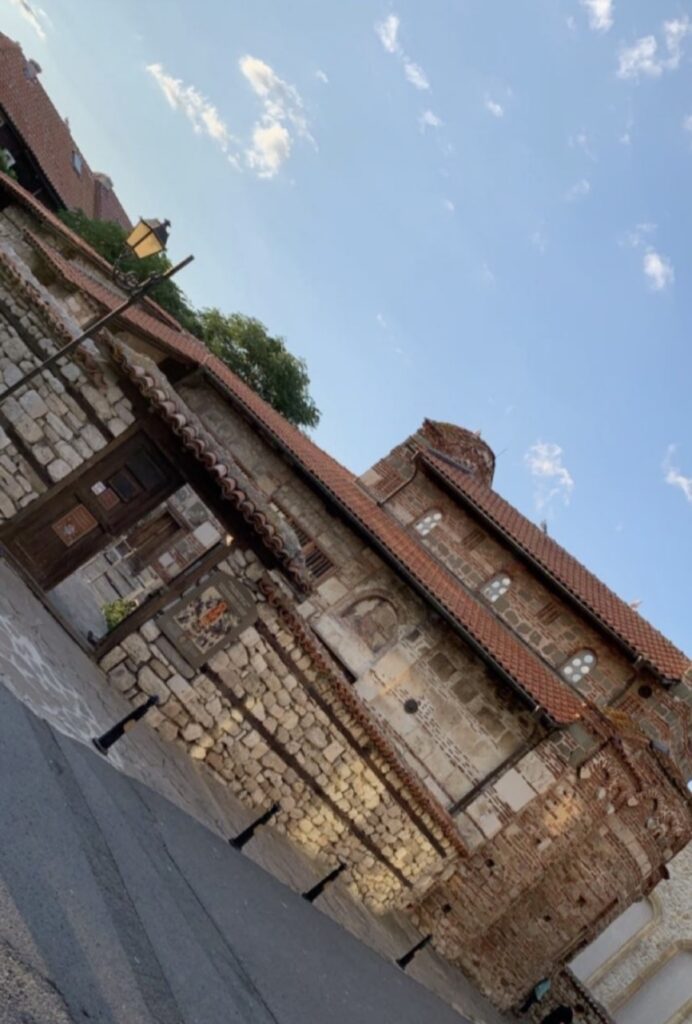
Now a museum, this place is a former Eastern orthodox church and was built around the 11th to 13th century. It has since been expanded, with the newest part of the building being constructed in the 16th century.
Its worth saying that this church is a prime example of Bulgarian and Byzantine architecture. So if you’re not a fan of museums, it is still worth admiring from the outside. However, if you are someone who loves to learn about history, art, and religion, then a visit to this museum would be perfect for you.
The Church of Christ Pantocrator
The Church of Christ Pantocrator is undoubtably one of the most beautiful churches in Nesebar. The brickwork is impeccably preserved and is a great example of Roman/Byzantine opus mixtum (an ancient construction technique).
Nowadays, the Church functions as an art gallery. Enter the impressive church and you’ll see various works of art by multiple Bulgarian artists. As well as the artwork, there is a photographic exhibition titled ‘Nesebar and the bay on old maps‘.
Amphitheatre of Nesebar (Zhanna Chimbuleva)
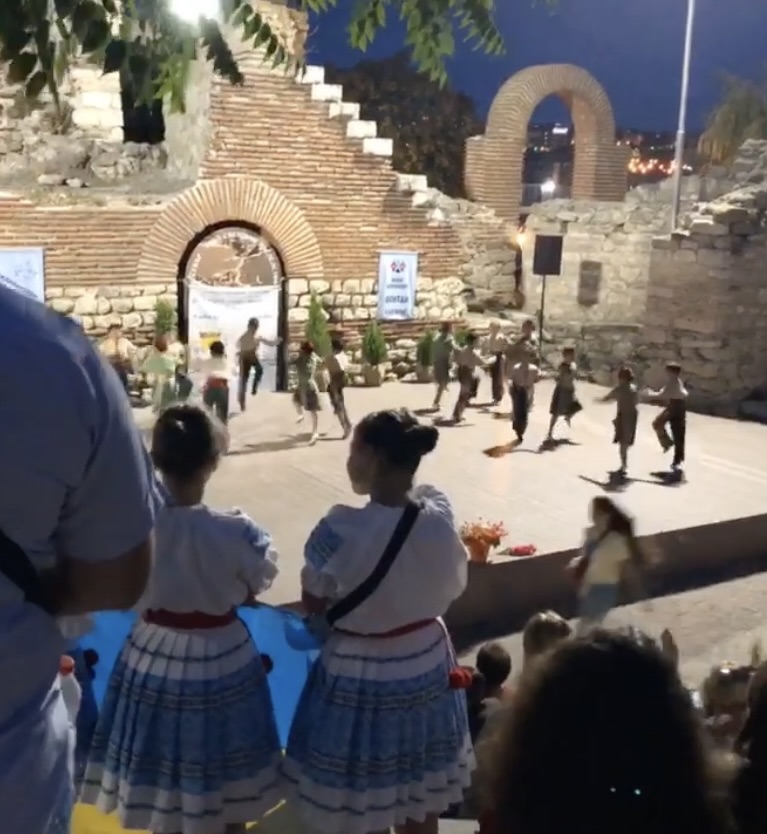
The amphitheatre of Nesebar dates back to approximately the 2nd or 3rd century. For centuries it was used for social gatherings, voting, events and entertainment. Nowadays this amphitheatre lays in ruins and is freely accessible to the public.
Throughout the year there’s multiple events that take place at the ancient amphitheatre. So if you’re as lucky as we was, you might be able to catch an event. When we was there, we watched some traditional Bulgarian folk dancing. To find out when the events are taking place you can use the visitNesebar.bg website.
If you are seeking some relaxation but also some adventure Nesebar has the perfect blend of both! With a combination of old and new towns you will not be left unsatisfied. So why don’t you try somewhere new for your next trip? If Bulgaria is on your bucket list be sure to check out our other blogs on this unique country.
6 Responses
I have not checked in here for some time since I thought it was getting boring, but the last several posts are great quality so I guess I’ll add you back to my everyday bloglist. You deserve it my friend 🙂
An interesting discussion is value comment. I believe that you should write more on this subject, it may not be a taboo subject however usually individuals are not enough to speak on such topics. To the next. Cheers
Good post and straight to the point. I am not sure if this is really the best place to ask but do you guys have any thoughts on where to hire some professional writers? Thanks in advance 🙂
As a Newbie, I am permanently browsing online for articles that can help me. Thank you
Greetings! Very helpful advice on this article! It is the little changes that make the biggest changes. Thanks a lot for sharing!
I am not sure where you are getting your information, but great topic. I needs to spend some time learning more or understanding more. Thanks for fantastic information I was looking for this info for my mission.